
Kids’ rooms change quickly. One minute it is picture books and toy baskets, then suddenly it is sports kits, school bags, and clothes that seem to multiply overnight. The aim is not perfect tidiness. It is a room that is easy to reset, and easy to adapt as your child grows.
Start with Flexible Interiors
The easiest way to future proof a kids room is to design the inside so it can shift over time. That means adjustable shelves, rails that can move, and storage zones that can change jobs later.
- Adjustable shelves that can move as needs change
- Hanging space that can switch from short to longer items
- Drawers that work for toys now and clothes later
- A spare shelf that can become a hobby zone when interests change
Designer Tip: Keep the most useful storage between waist and eye level. That is where daily habits stick.
Make It Easy for Them to Tidy
When kids can reach their things, they are more likely to put them back. A lot of good kids storage advice focuses on low access and simple categories, rather than complicated systems.
- Low open shelves for current favourite toys and books
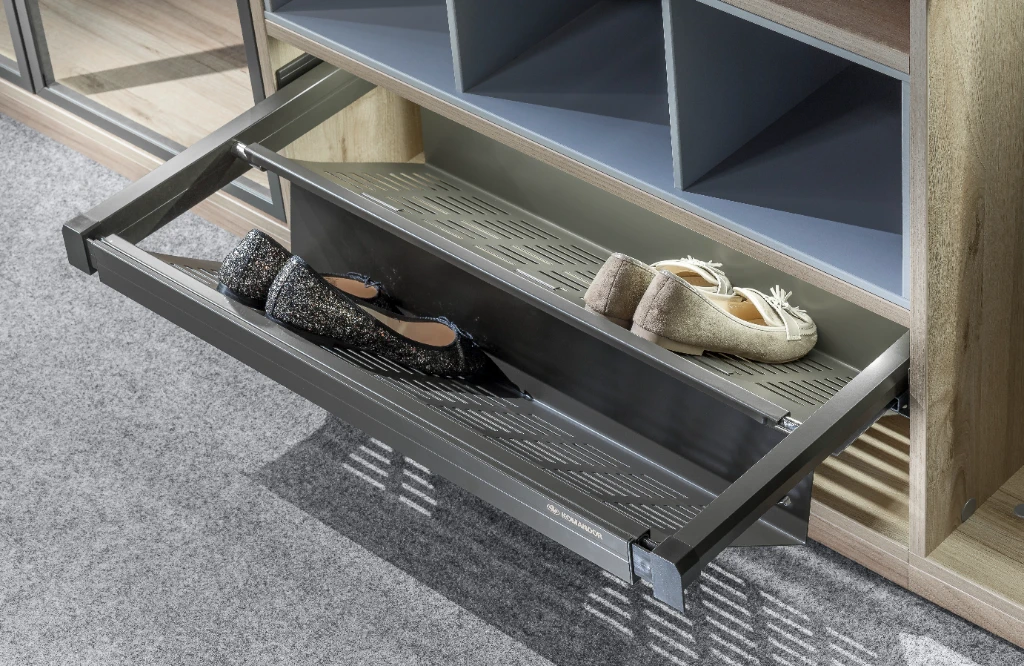
- Pull out trays or baskets for quick tidy ups
- One “daily drop” zone for school essentials
- Higher shelves for items you want out of reach
Choose Finishes That Last Through Every Phase
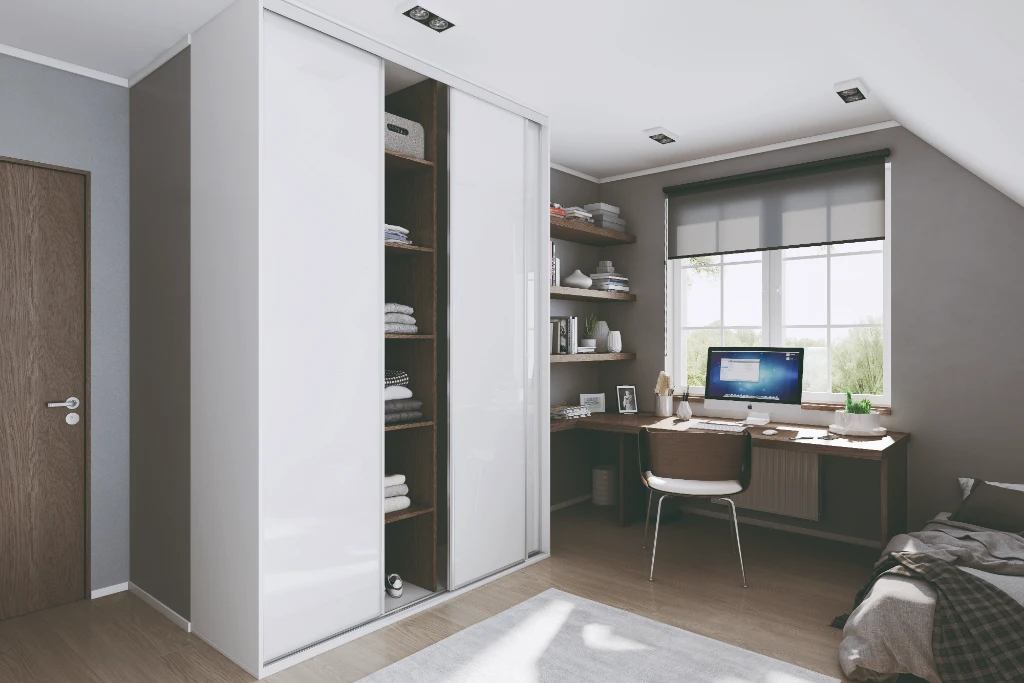
It is tempting to design around a theme, but kids tastes change. The best approach is calm, durable finishes for the big pieces, with colour coming from paint, art, and soft furnishings.
- Matt finishes that handle fingerprints better
- Wipe clean interiors for everyday life
- Simple door styles that still suit teenagers
- A warm, neutral base that lets the room evolve
Plan a Study Nook Before You Think You Need One
Even a small desk space pays off. At first it is colouring and crafts, then it becomes homework, then it becomes laptops and revision.
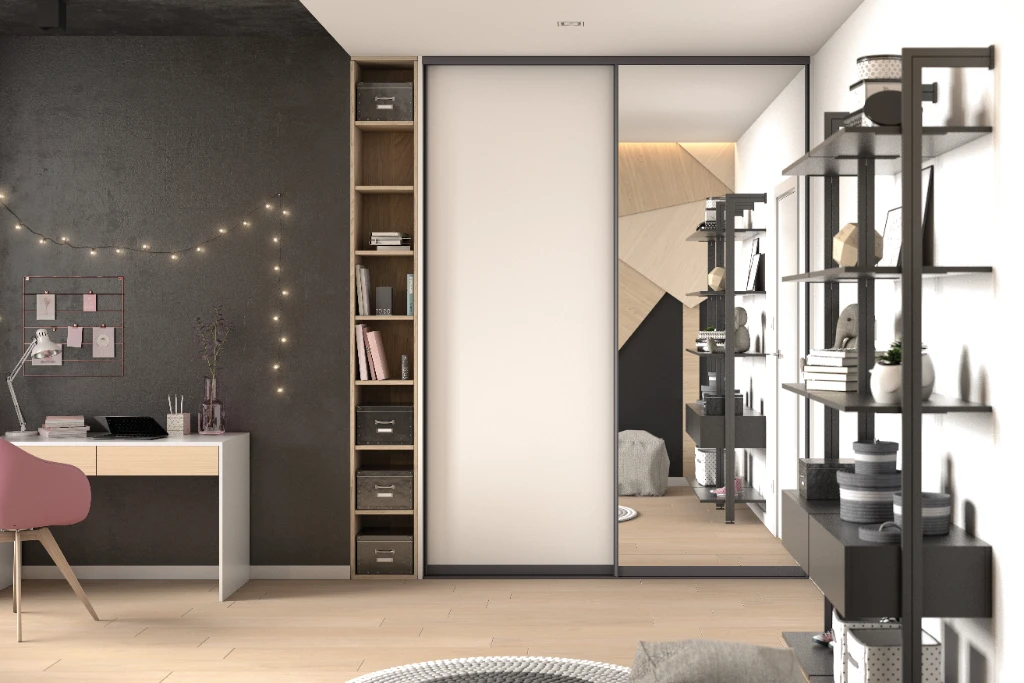
- A compact desk with storage above and below
- A closed cupboard for visual calm
- A shelf that can shift from storybooks to school books
Use Sliding Doors When Space Is Tight
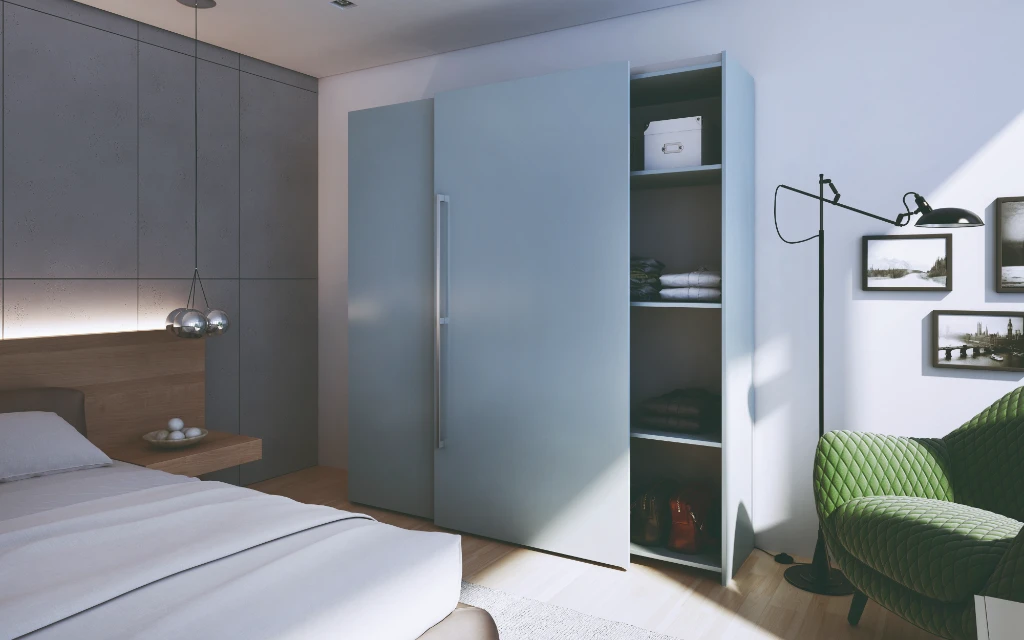
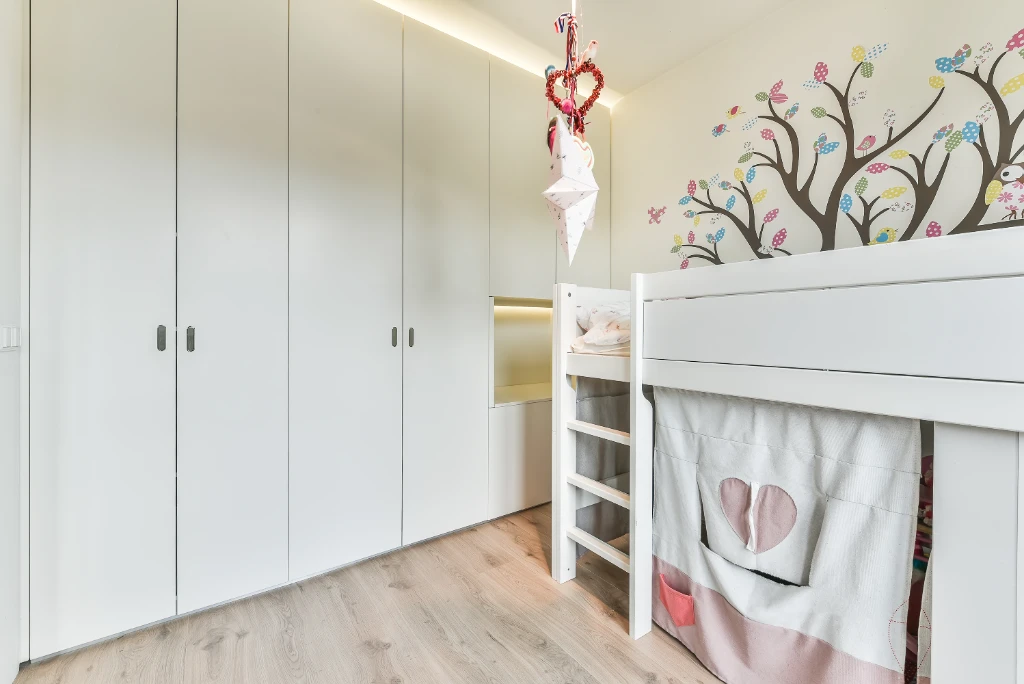
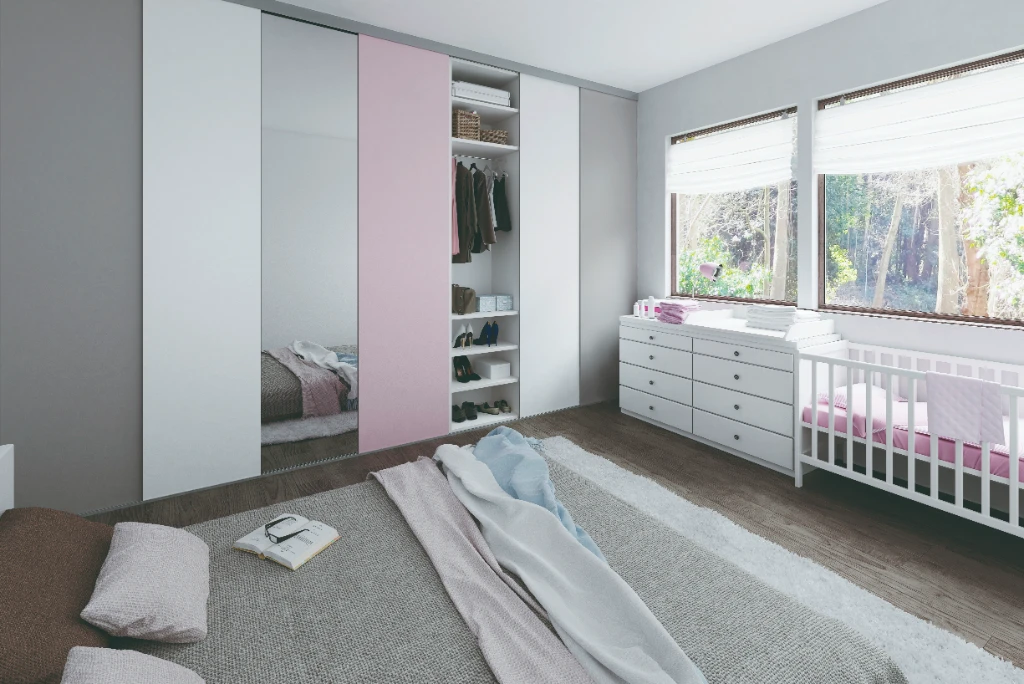
In smaller bedrooms, door swing can become the daily frustration. Sliding fronts keep access simple and protect floor space for play and movement.
- Easier access in tight layouts
- Cleaner front that helps the room feel calmer
- A good option for shared rooms where traffic is constant
Explore options on our sliding doors page.
View sliding doors
Safety Matters More Than People Realise
In a kids room, stability and safe access are part of good design. One of the simplest and most important steps is securing tall furniture properly.
Keep heavier items in lower drawers and shelves
Use soft close where possible to protect little fingers
Avoid encouraging climbing with tempting items on top of units
Secure tall units to the wall where appropriate
Bring It Together
The best kids storage feels calm, not complicated. Adjustable interiors, easy reach zones, and a layout that changes with them. That is what keeps the room working year after year.