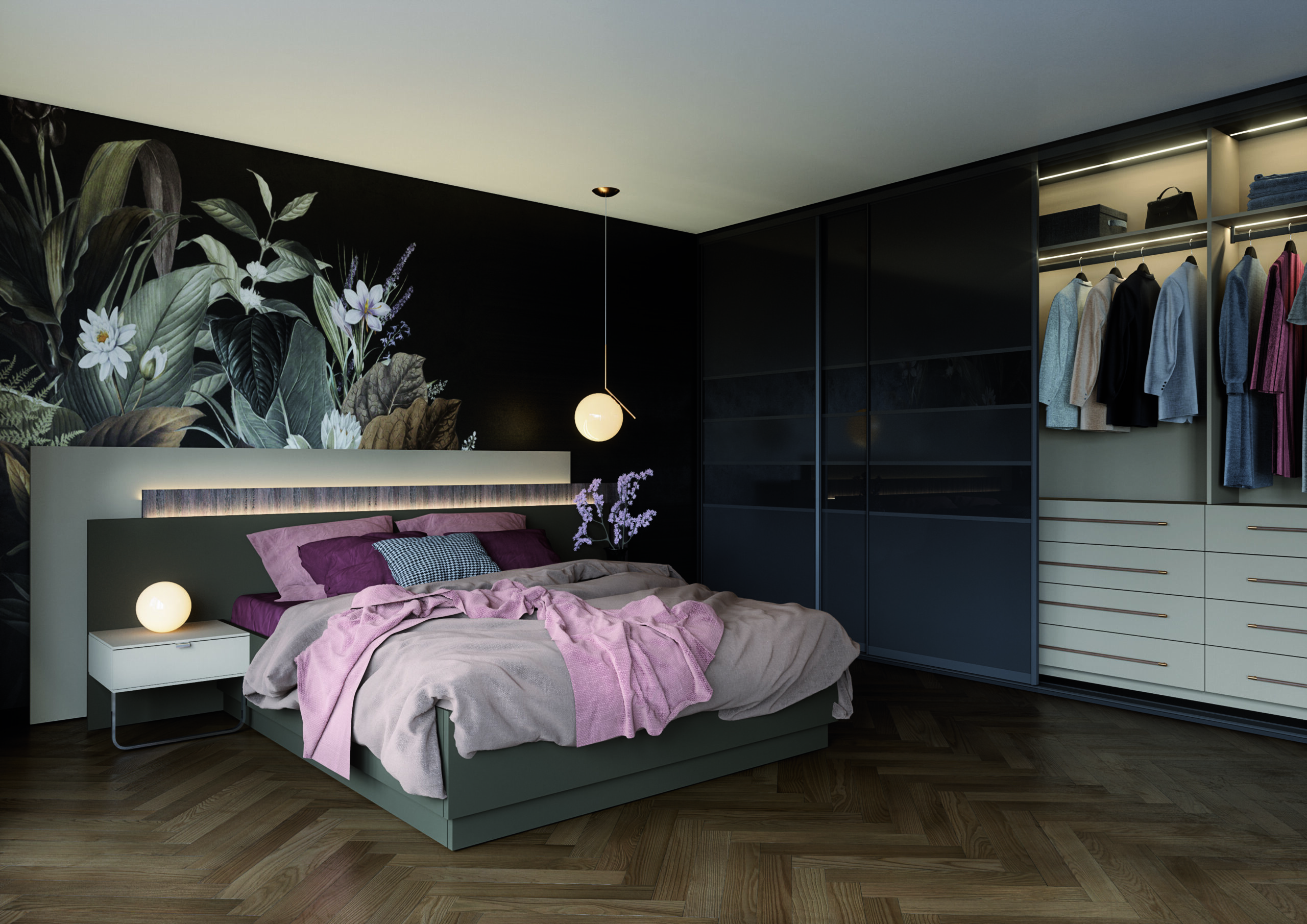

Most people start a storage project by looking at doors and finishes. It is tempting. But the best designs start with lifestyle. What you use daily, what you hide, what you want within reach, and what you want out of sight.
This checklist helps you arrive at a design visit with clarity, which usually leads to a better layout and fewer compromises. Planning steps like these are also commonly recommended in fitted wardrobe advice because they prevent expensive guesswork.
Your Plan Storage Checklist
Step One: What Needs Storing
Do a quick scan of the room and note what needs a home.
- Hanging clothes, folded clothes, shoes
- Bags, belts, jewellery, watches
- Bedding, towels, luggage
- Sports gear, ironing board, vacuum
- Tech, paperwork, chargers, printers if it is a mixed use room
Step Two: Hanging vs Folding
This is the biggest driver of internal layout.
- How many long items, such as dresses and coats
- How many short items, such as shirts and trousers
- Whether you prefer folding or hanging for most items
Guides to plan storage in built-in wardrobes often recommend starting with how you use the storage, because it determines shelf and rail placement.
Step Three: Your Daily Flow
Storage should match your routine, not fight it.
- Do you get ready in one spot or move between areas
- Do two people share the same wardrobe space
- Do you need a mirror nearby
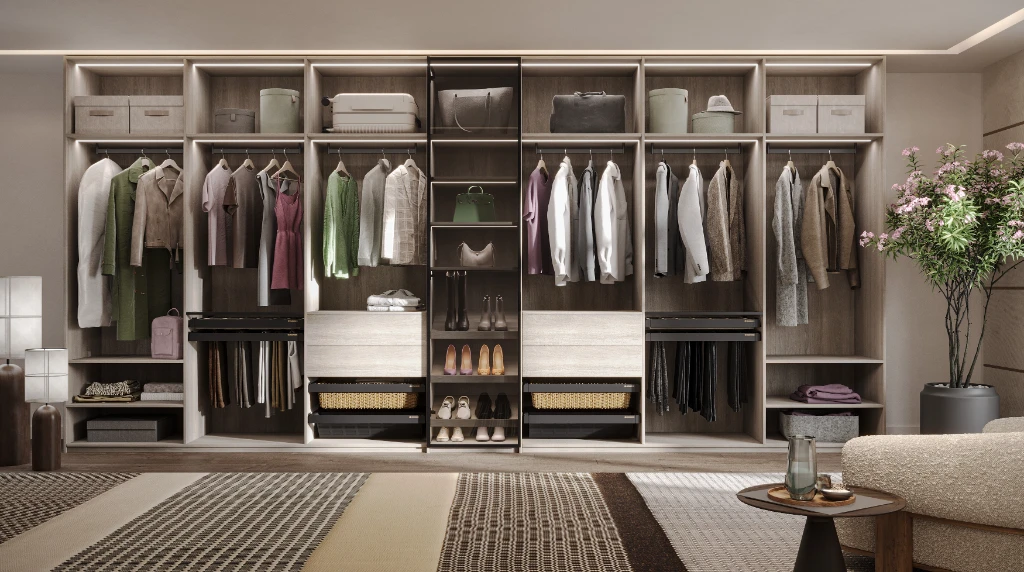
- Would drawers near the centre of the run be easier than at the ends
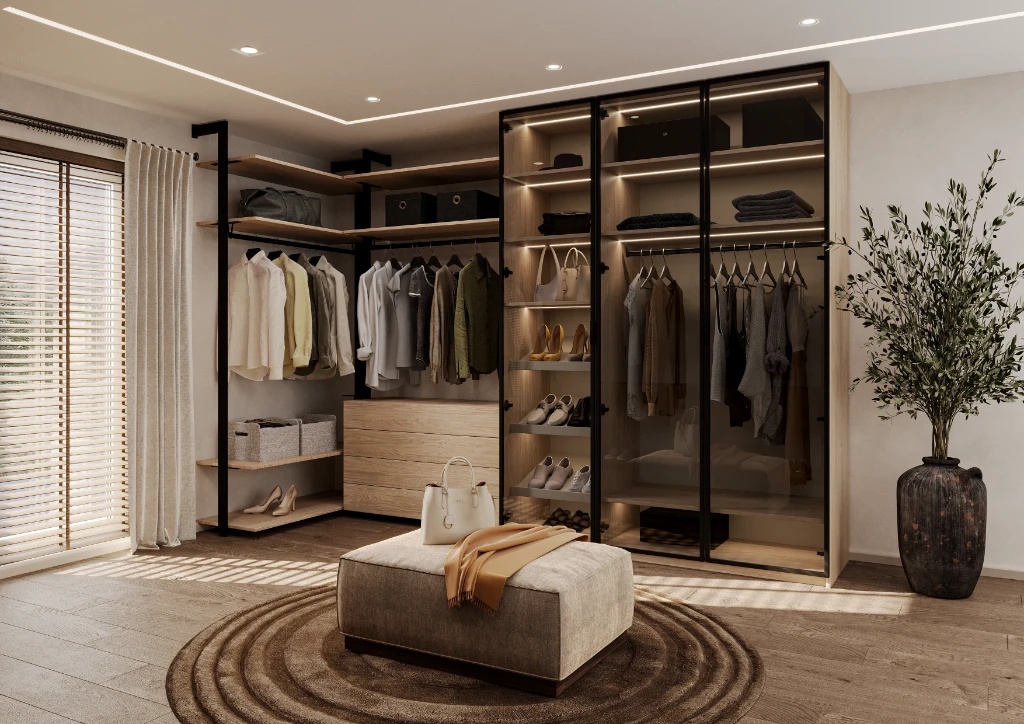
If you are planning a dressing space, it helps to browse walk in wardrobes for layout ideas.
Step Four: Room Constraints
A quick note of practical constraints makes design smoother.
- Door swing space and walkways
- Windows, radiators, sockets, and switches
- Ceiling height changes and coving
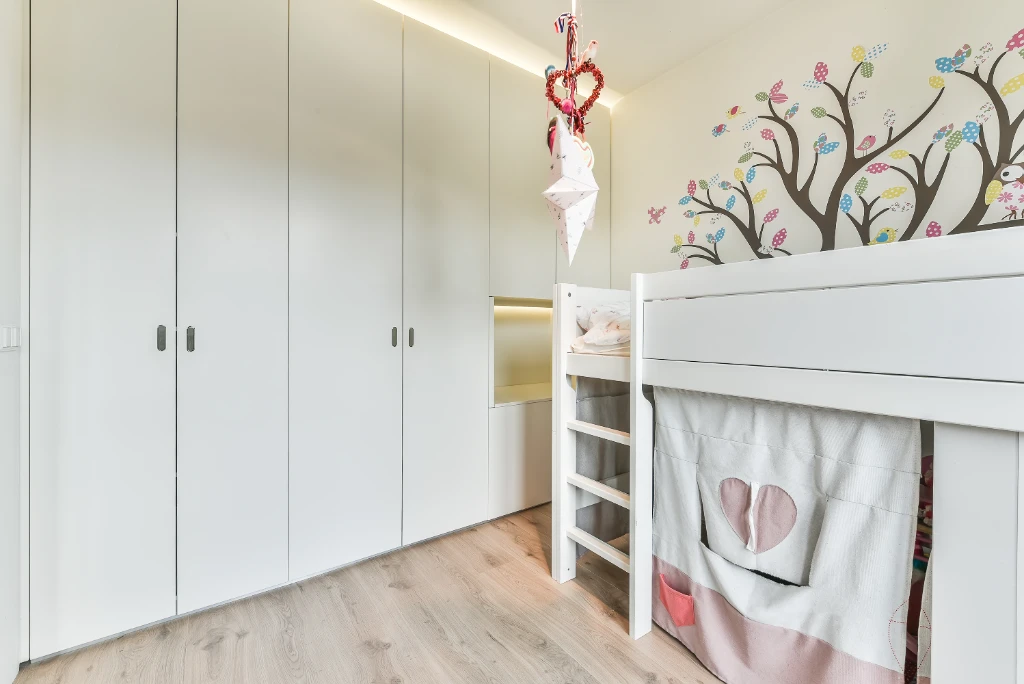
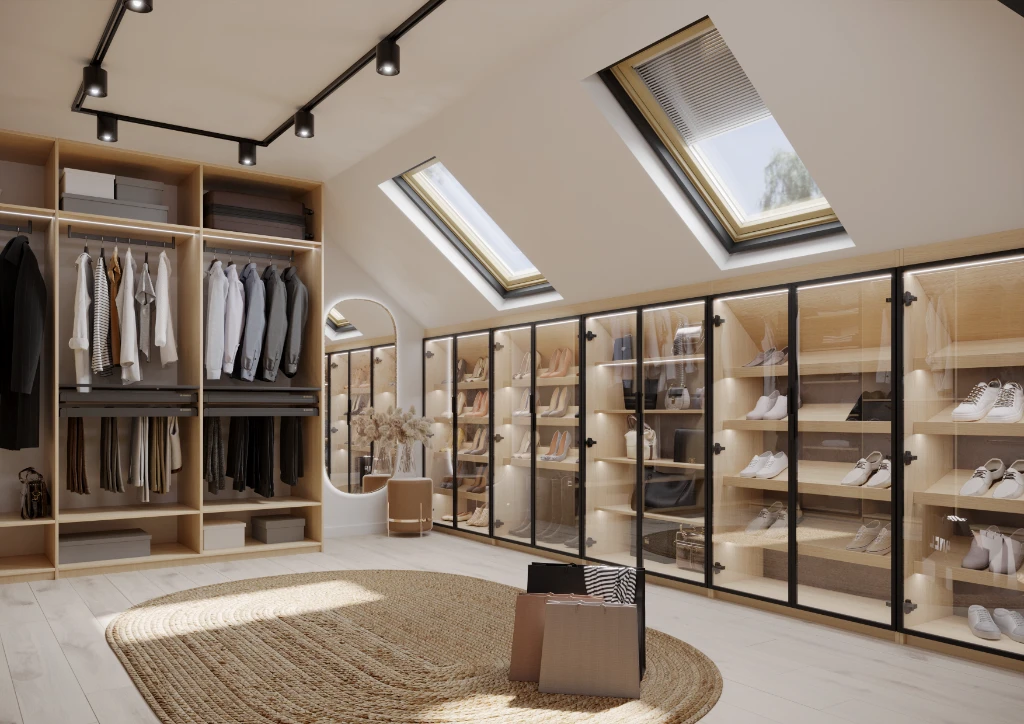
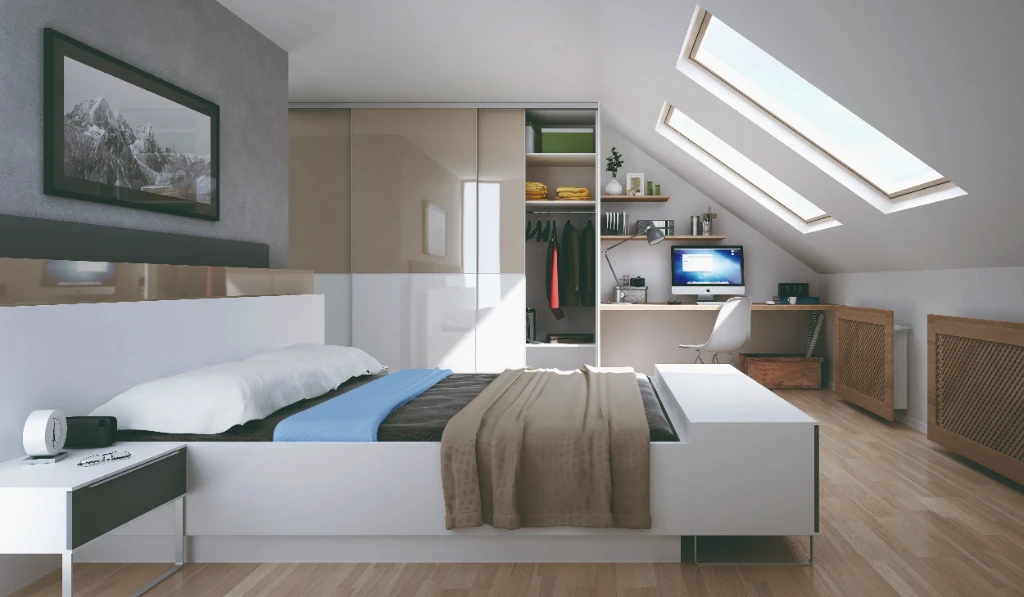
- Sloped ceilings, alcoves, or uneven walls
Competitor checklists for fitted wardrobes often include a measurement and constraints step because it strongly affects the final design.
Step Five: The Look and Feel
This is not just about style. It is about mood.
- Do you want the storage to blend in or stand out
- Do you prefer warm wood tones or calm matt colours
- Would mirrors help the room feel brighter
- Do you want open display or everything closed away
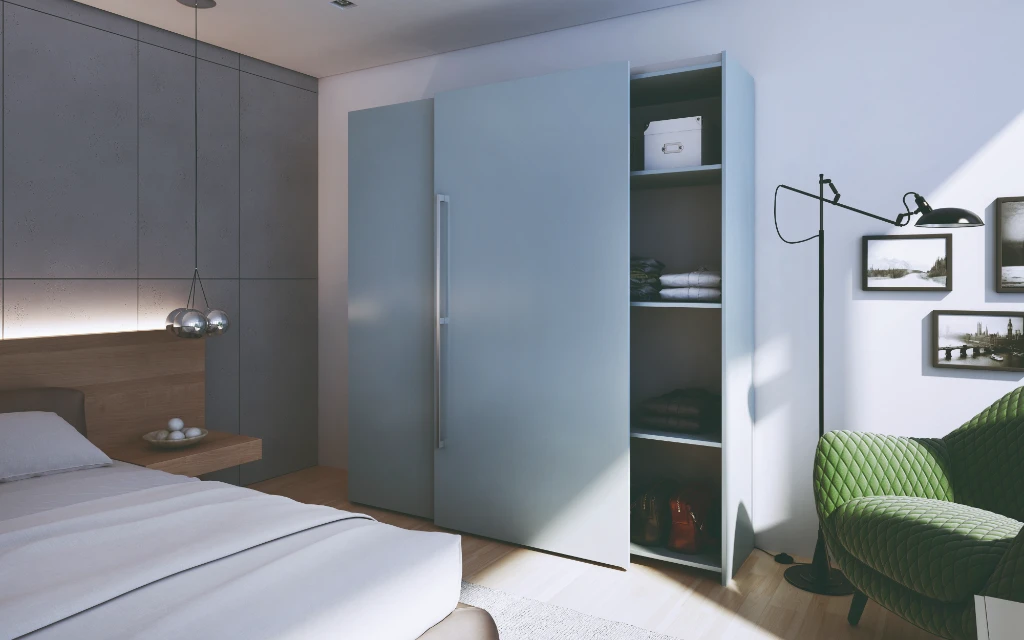
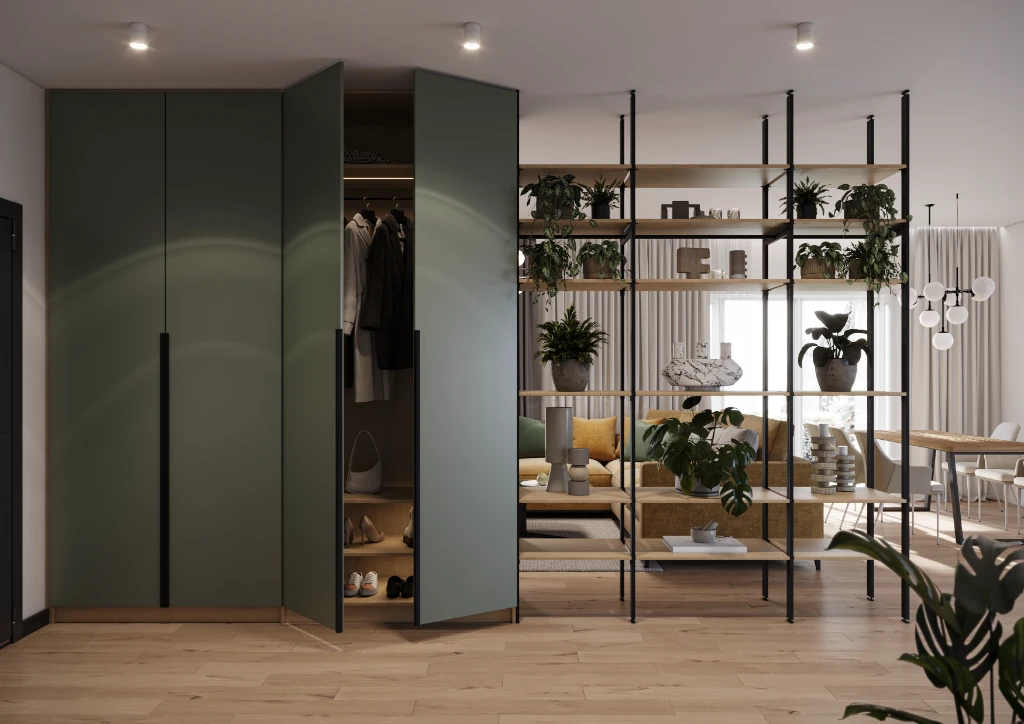
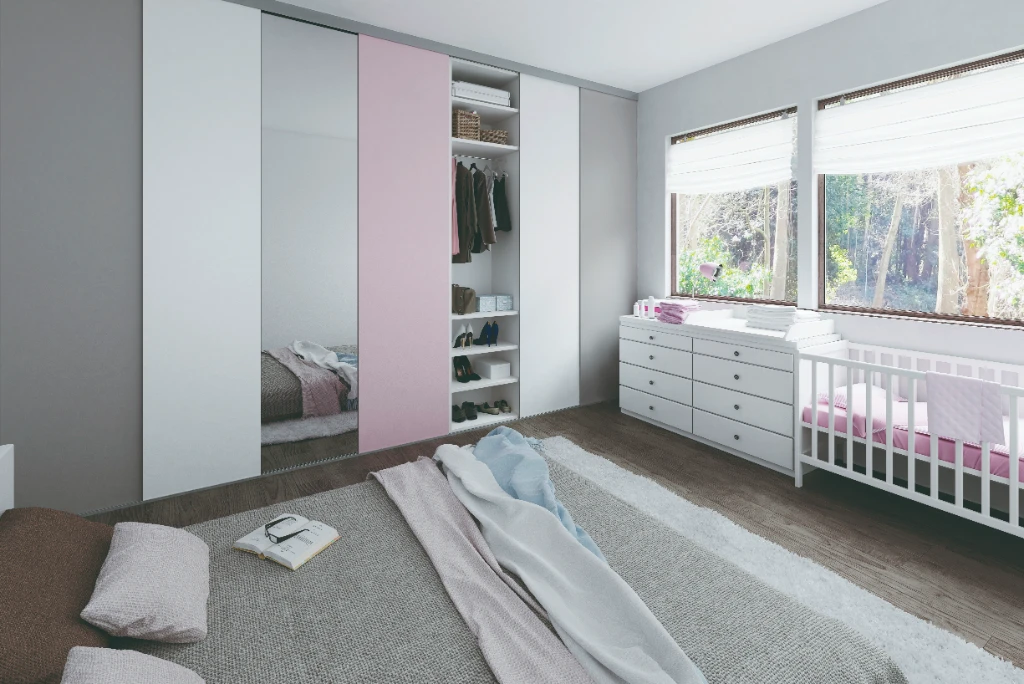
For sleek, space saving fronts, explore sliding doors. For classic access and flexible internal options, see hinged doors.
Step Six: Your Must Haves
Pick three features that would make the room easier to live with.
- More drawers for folded storage
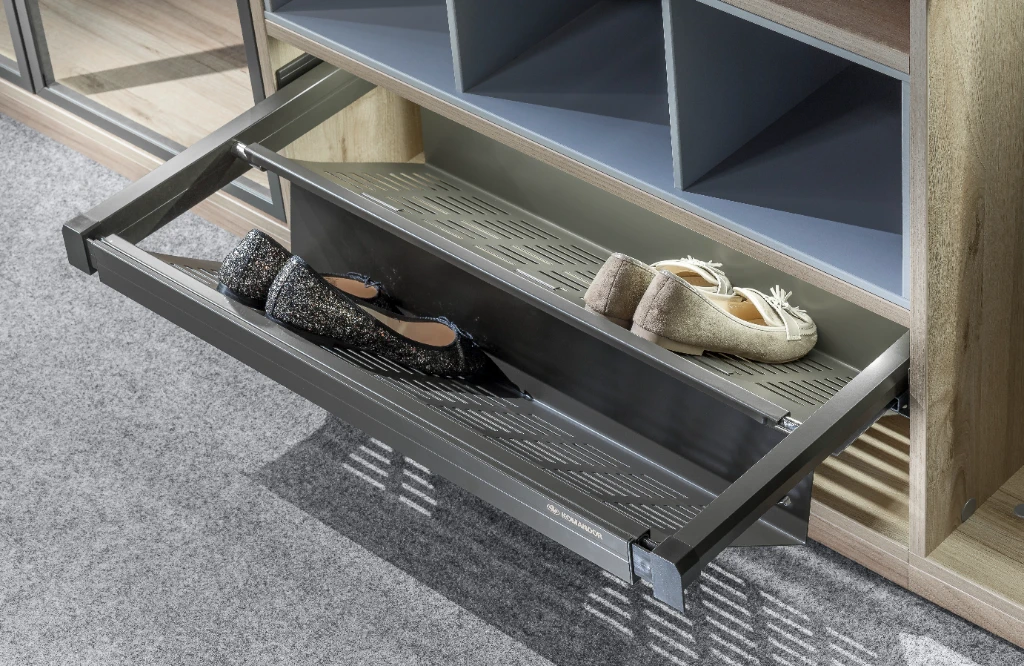
- A shoe section you can actually see
- A dedicated accessories zone
- Better lighting inside the storage
- Space for a TV wall or a desk area
If your project includes the living room, our TV media units page can help you shape that brief too.
Step Seven: Budget and Timing
You do not need to know an exact number, but it helps to know your comfort zone and priorities. Independent guides recommend setting a budget early and allowing contingency, especially for fitted projects with more choices.
If you are exploring ways to spread the cost, review our price and finance options.
Bring It Together
The best storage plans are not complicated. They are honest. What do you own. How do you live. What do you want the room to feel like. Once those are clear, the design becomes much easier.