
Planning bespoke fitted furniture can feel like a big step, especially when you are not sure what happens during the first appointment.
A Komandor home design visit is an opportunity to explore your ideas, discuss how the space needs to work and look at the practical details that will shape the final design. There is no expectation for you to arrive with everything decided. The purpose of the visit is to understand the room, your priorities and what might be possible.
Before the Komandor Home Design Visit
You do not need to prepare detailed plans before the appointment. However, it can be useful to think about what is currently not working in the room.
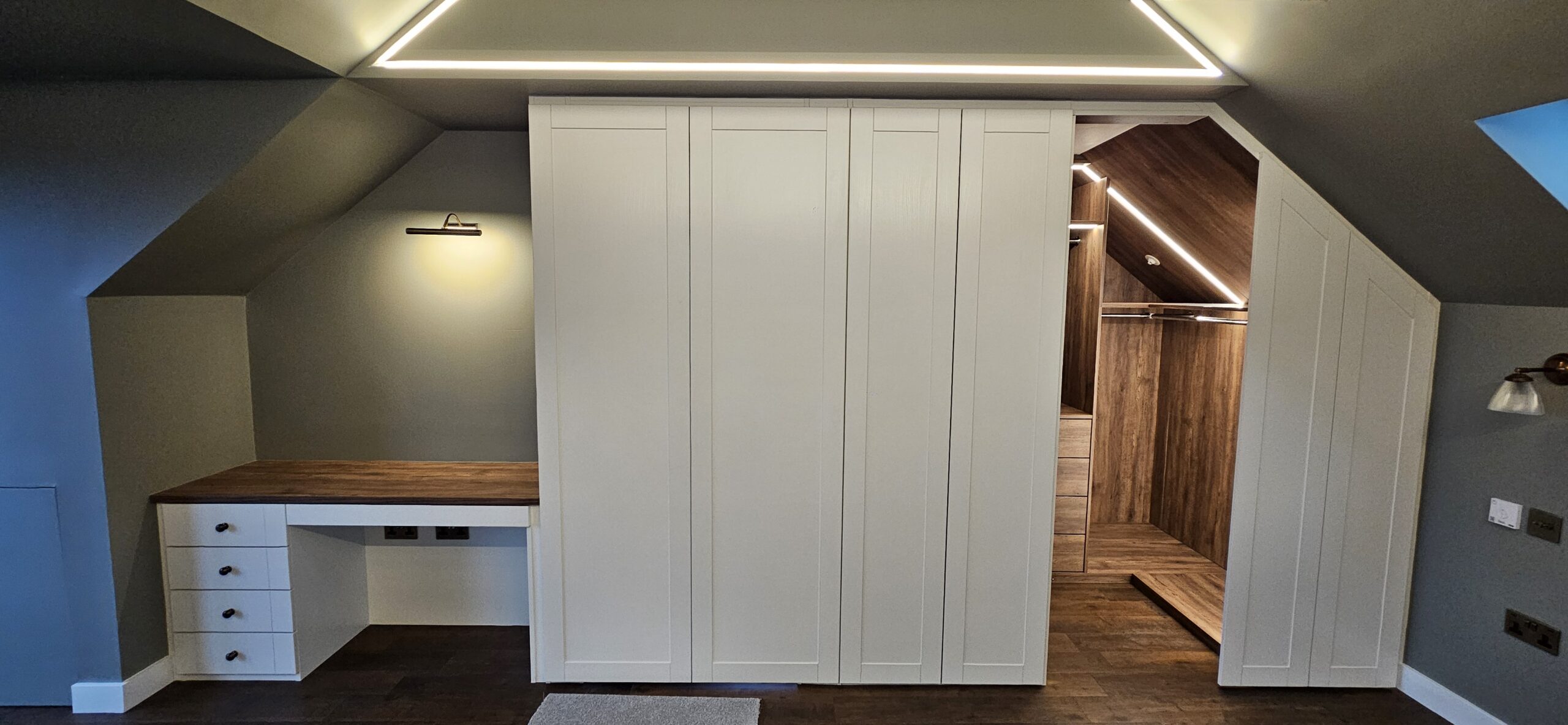
Perhaps you need more hanging space, better shoe storage or somewhere to keep items that are rarely used. You may also have an awkward corner, sloped ceiling or alcove that standard furniture cannot use properly.
Images of styles, colours or finishes you like can help, but they are not essential.
Understanding How You Use the Space
The visit usually begins with a conversation about the room and how it is used.
For a bedroom wardrobe, this may include how much hanging space you need, whether you prefer drawers or shelving and how you store shoes, bags and accessories. For a media unit or home office, the discussion may focus more on equipment, cable management, display space and everyday working habits.
This part of the visit is important because the most successful fitted furniture is designed around real routines, not just the dimensions of the wall.
Looking at the Room in Detail
The designer will assess the shape and proportions of the room, including any details that may affect the design.
These can include:
- Ceiling height
- Sloped ceilings
- Alcoves and chimney breasts
- Skirting boards
- Doors and windows
- Radiators and sockets
- Uneven walls or floors
- Available opening space
These details help determine which layouts, door systems and storage options will work best.
Taking Initial Measurements
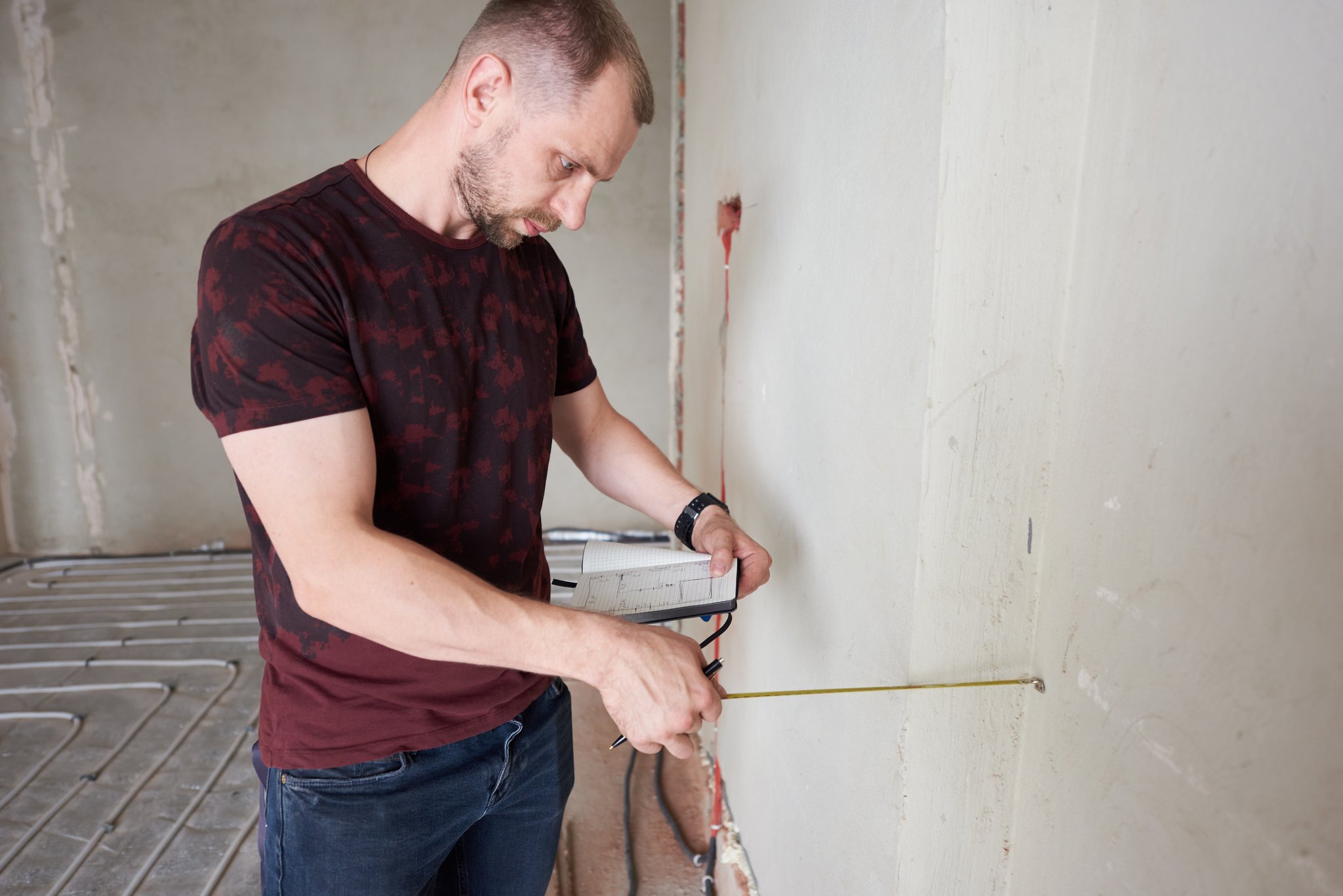
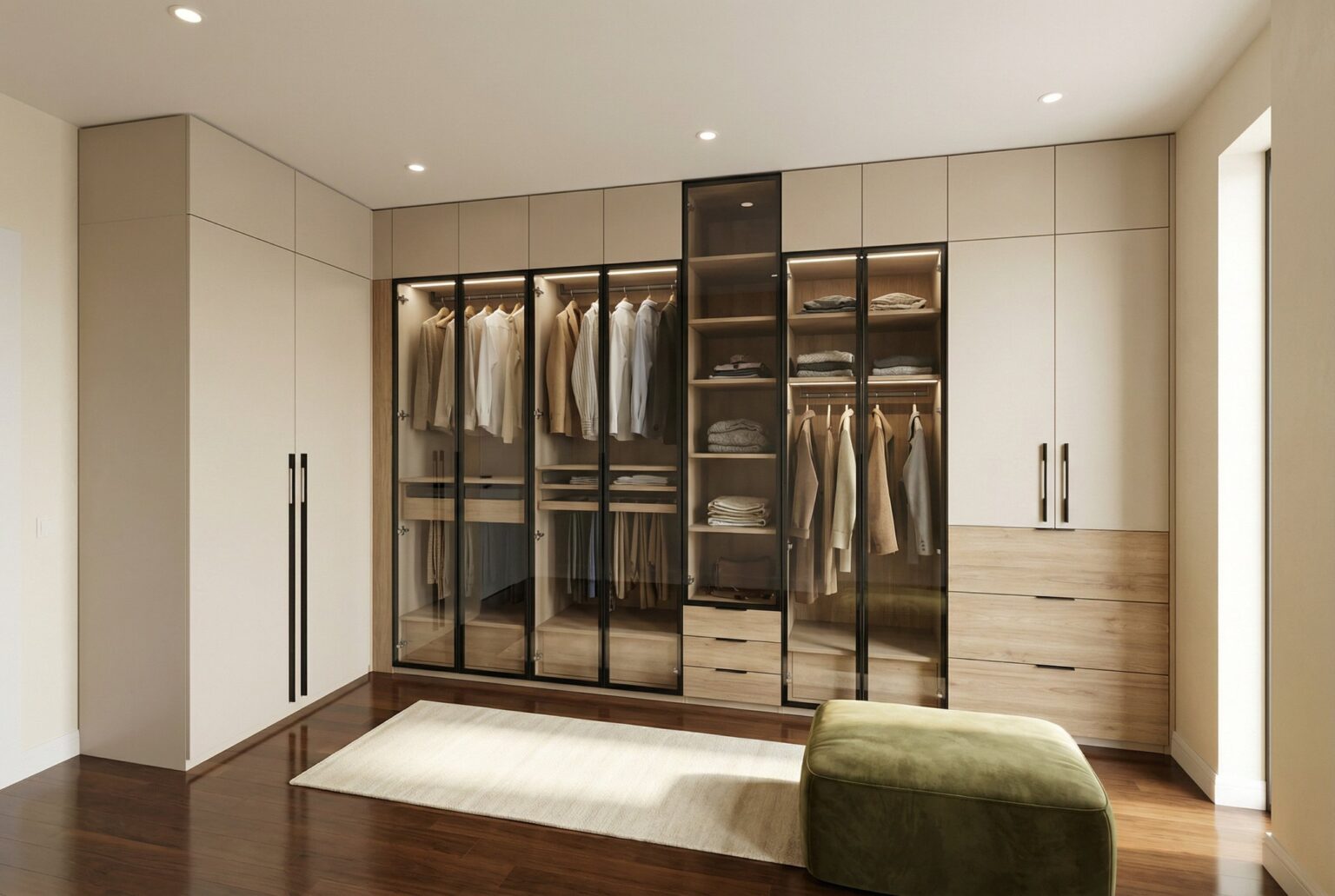
Measurements are taken to understand the available space and begin shaping the design.
At this stage, the focus is not simply on the width and height of the room. The designer also considers access, furniture placement and how the new installation will sit alongside the existing features.
For more complex projects, further technical measurements may be required later before the furniture is manufactured.
Exploring Layouts and Storage Options
Once the space and your needs are understood, the designer can begin discussing possible layouts.
This might include:
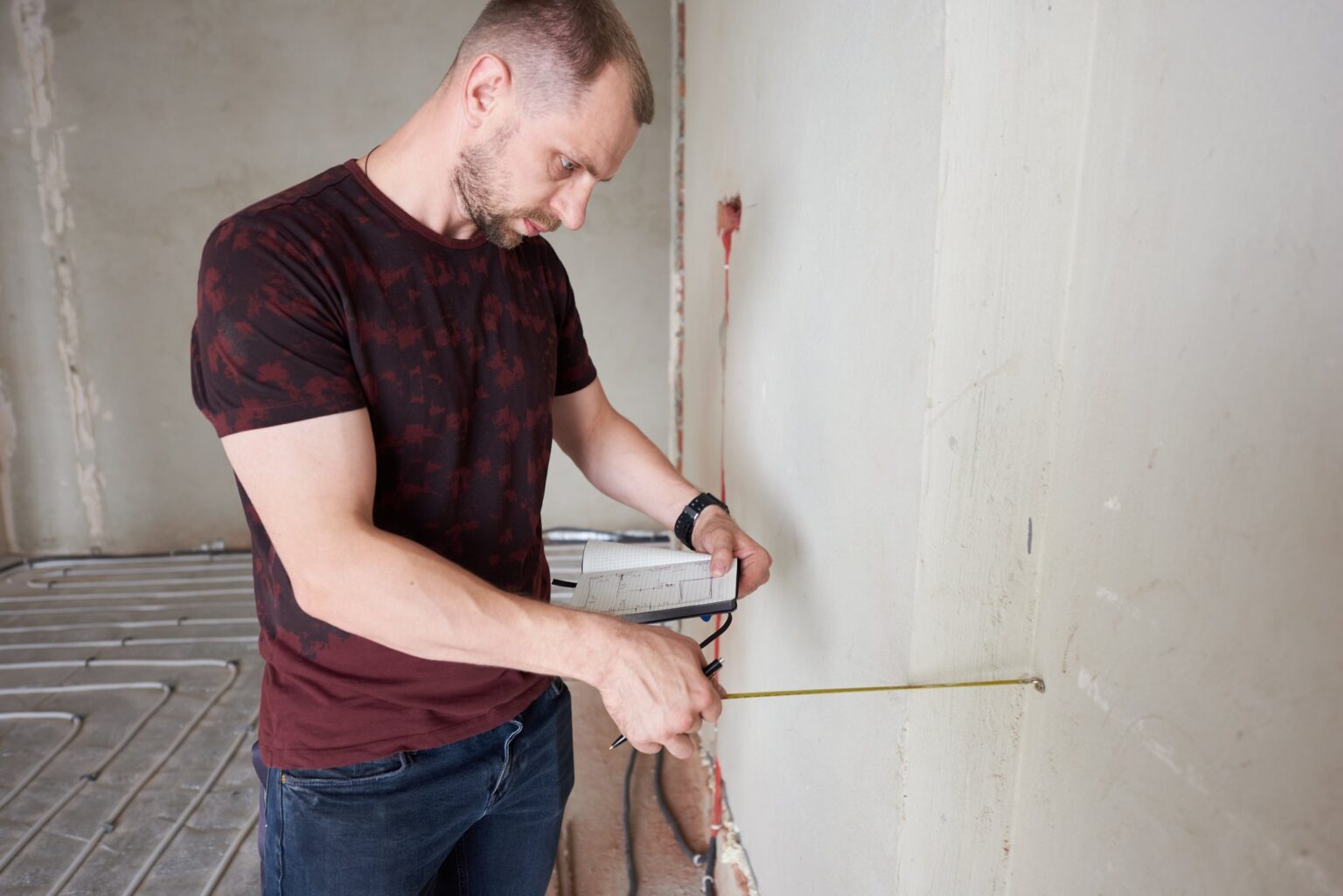
- Sliding or hinged wardrobe doors
- Full height storage
- Internal drawers and shelving
- Double or single hanging sections
- Shoe storage
- Mirrors or glass panels
- Open display areas
- Integrated lighting
There may be more than one way to approach the room.
Choosing Finishes and Details
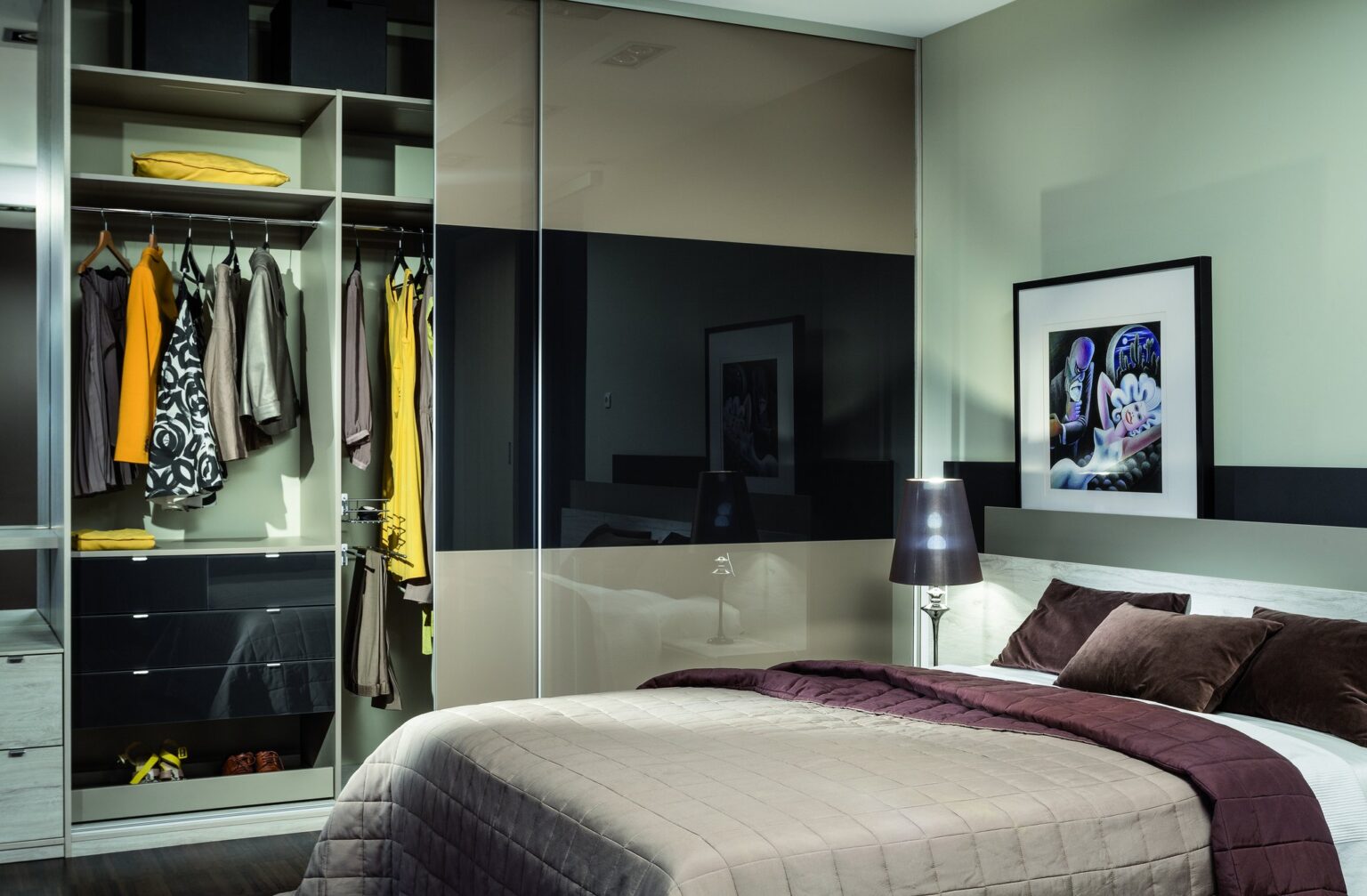
Finishes have a major effect on how fitted furniture feels within a room.
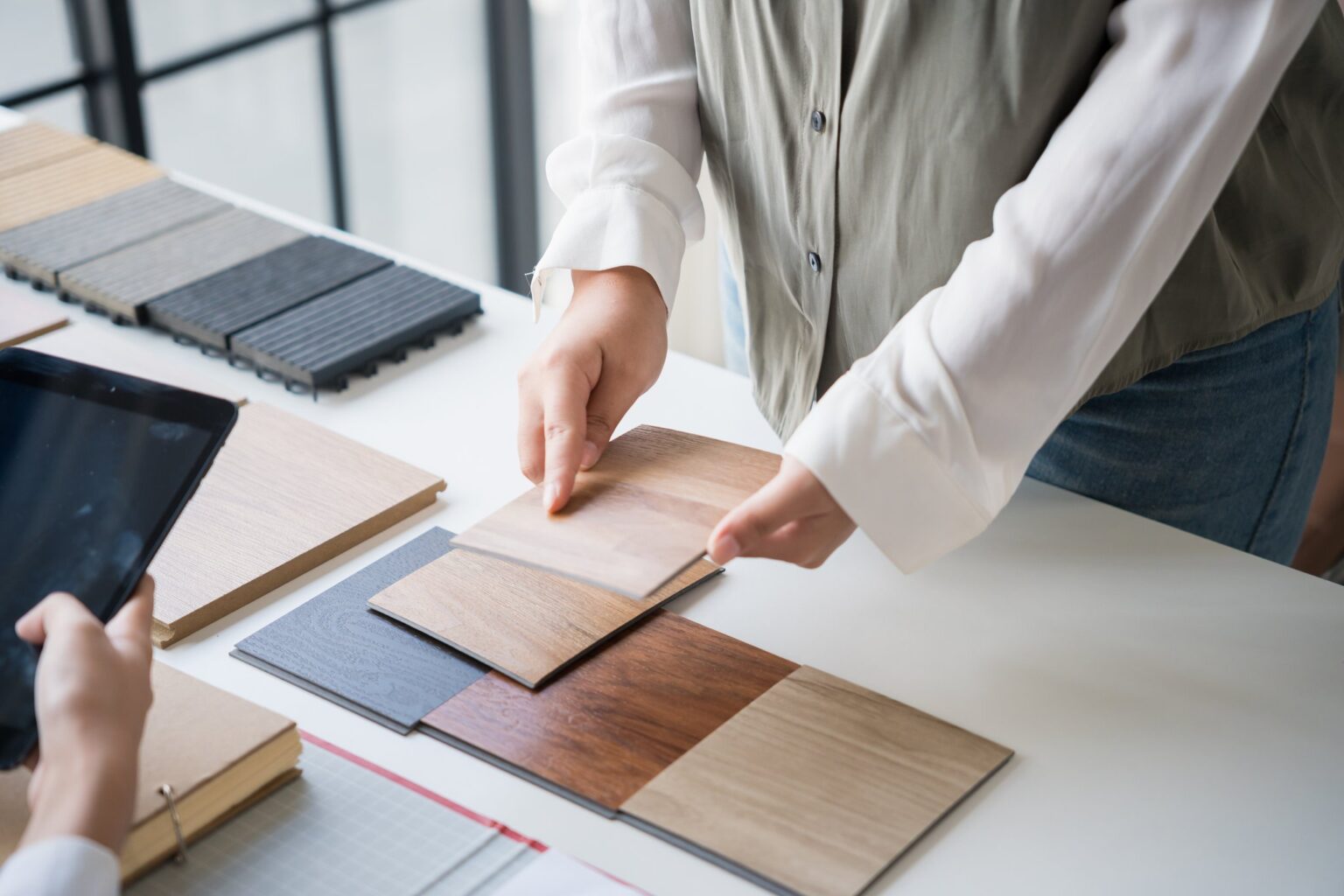
During the design process, you can explore different colours, textures, wood finishes, mirrors, glass, handles and framing options. The designer can help you consider how these choices will work with the flooring, wall colour, natural light and existing furniture.
You do not always need to make every decision during the first visit. The aim is to establish a clear direction and narrow down the options that suit the room.
What Happens After the Visit?
After the appointment, the information gathered is used to develop a fitted furniture proposal based on your space and requirements.
Depending on the project, this may include a proposed layout, finish options and an indication of cost. Any changes can then be discussed before the design is approved and the next stage begins.
The process is collaborative. There is time to refine the design so that the final furniture feels right for both the room and the people using it.
A Practical First Step
It is about understanding your space, discussing what you need and exploring how bespoke furniture could improve the room.
At Komandor Scotland, our team works with you from the first conversation through to the final installation, helping turn practical storage needs into a design made specifically for your home.